
4 Jul 2026 · 5 min read · By Away to Makkah
Al-Masjid an-Nabawi: The Prophet’s Mosque and a Beacon of Peace
In the sacred city of Madinah stands one of the most beloved and spiritually significant places in&…
In the sacred city of Madinah stands one of the most beloved and spiritually significant
places in Islam — Al-Masjid an-Nabawi, also known as the Prophet’s Mosque.
Built by Prophet Muhammad himself after his migration from Makkah to Madinah,
the mosque is a symbol of faith, peace, and unity for Muslims around the world.
For millions of visitors each year, entering Masjid Al Nabawi is an experience
filled with tranquility, gratitude, and deep spiritual emotion.
A Mosque Built by the Prophet
When Prophet Muhammad arrived in Madinah during the Hijrah, one of his first acts
was to establish a mosque that would serve as a center for worship, education
and community life. What began as a simple structure made of mud bricks
and palm trunks later became one of the grandest mosques in the world.
Today, Al-Masjid an-Nabawi remains a place where Muslims gather
not only to pray but also to feel connected to the life and teachings of the Prophet.
The Green Dome
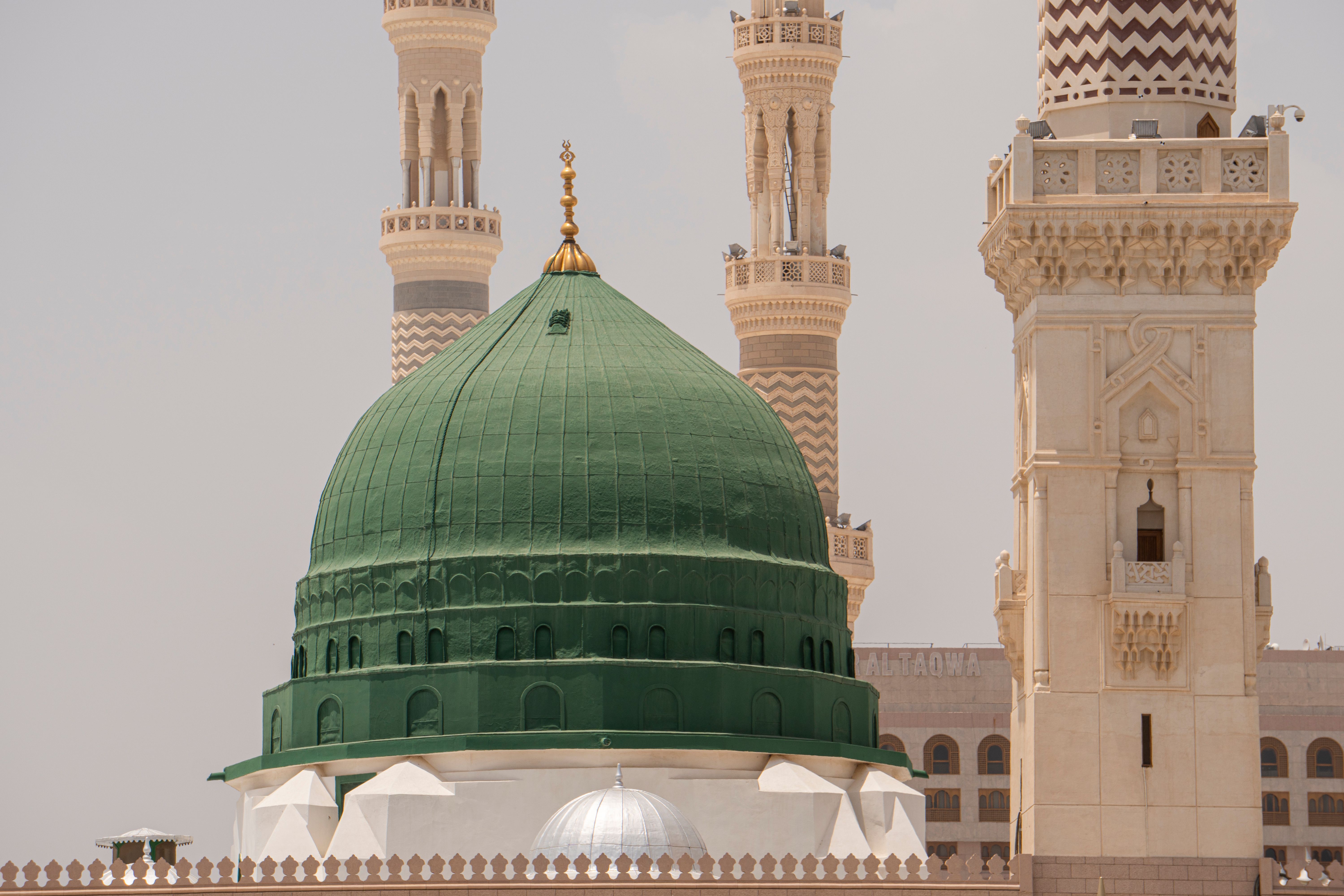
One of the mosque’s most iconic features is the famous Green Dome, located
above the resting place of Prophet Muhammad. Nearby are the graves
of Abu Bakr and Umar ibn al-Khattab, two of the Prophet’s closest companions.
The sight of the Green Dome is deeply meaningful for visitors, symbolizing
love and reverence for the Prophet and Islamic history.
Rawdah: A Garden from Paradise
Inside the mosque lies one of the holiest areas in Islam known as the Rawdah.
According to Islamic tradition, the Prophet described it as a garden from the
gardens of Paradise.
Marked by its distinctive green carpet, the Rawdah is located between the Prophet’s
home and his pulpit. Muslims from around the world hope for the opportunity to
pray there, considering it a place of immense blessings and peace.
Beauty in Architecture and Design
Masjid Al Nabawi is admired for its breathtaking architecture and serene atmosphere.
The mosque combines traditional Islamic artistry with modern innovation.
Some remarkable features include:
Giant retractable umbrellas that provide shade in the courtyards
Elegant marble floors and intricate calligraphy
Tall illuminated minarets
Spacious prayer halls accommodating millions of worshippers
At night, the mosque glows beautifully under soft lights, creating an atmosphere
of calm and reflection.
A Center of Knowledge and Community
Historically, Masjid Al Nabawi was not just a place of worship but also a
center of learning and social life. The Prophet taught his companions there,
welcomed travelers, and guided the early Muslim community.
Even today, the mosque continues this tradition through Quran study circles,
lectures, and educational programs attended by visitors from across the globe.
Visiting Madinah
Unlike the busy pace often associated with Makkah, Madinah is widely
known for its peaceful and gentle atmosphere. Pilgrims often describe a
unique sense of calm upon entering the city.
Nearby historical sites include:
Quba Mosque — the first mosque built in Islam.
Mount Uhud — site of the historic Battle of Uhud.
Al-Baqi Cemetery — resting place of many companions and family members
of the Prophet.
These landmarks enrich the spiritual and historical journey for visitors.
Final Thoughts
Al-Masjid an-Nabawi is more than a magnificent mosque — it is a place where
hearts find peace and faith feels renewed. Its deep connection to Prophet
Muhammad, combined with its beauty and serenity, makes it one of the
most cherished destinations in the Islamic world.
For countless Muslims, visiting Masjid Al Nabawi is not simply a journey
to a city, but a journey closer to spiritual reflection, gratitude, and love for the Prophet.